500M Avira Antivirus Users Introduced to Cryptomining
Credit to Author: BrianKrebs| Date: Sat, 08 Jan 2022 18:05:14 +0000

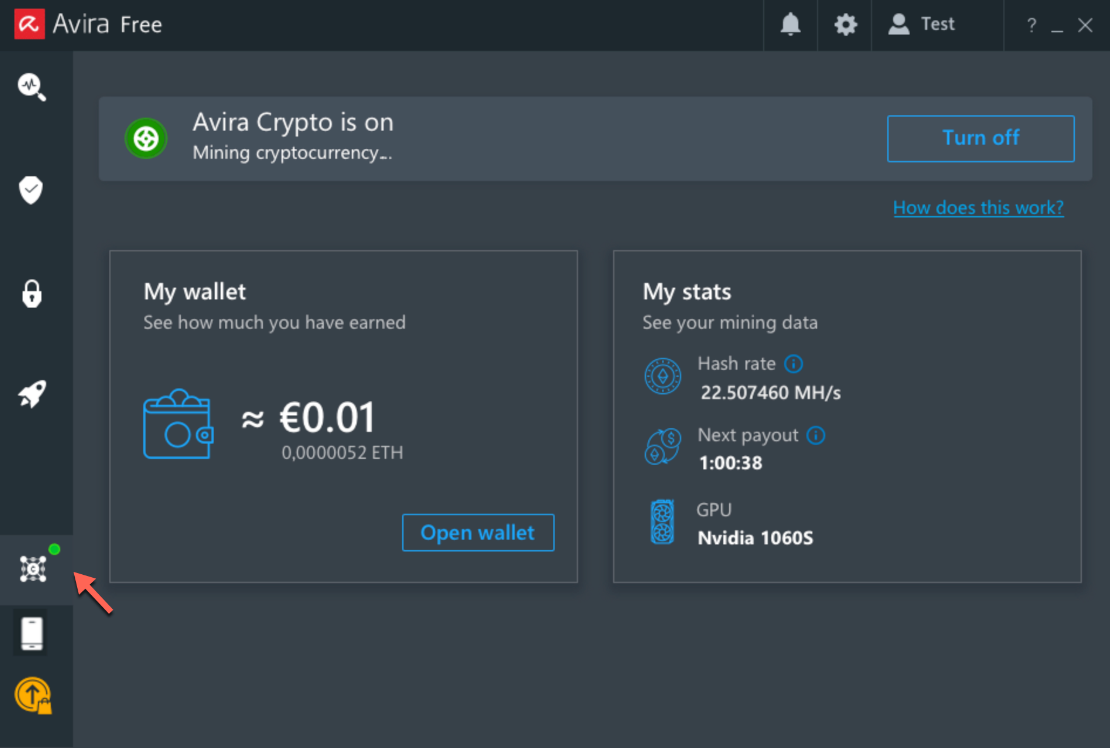
Many readers were surprised to learn recently that the popular Norton 360 antivirus suite now ships with a program which lets customers make money mining virtual currency. But Norton 360 isn’t alone in this dubious endeavor: Avira antivirus — which has built a base of 500 million users worldwide largely by making the product free — was recently bought by the same company that owns Norton 360 and is introducing its customers to a service called Avira Crypto.

Read more

Norton 360 Now Comes With a Cryptominer

Credit to Author: BrianKrebs| Date: Thu, 06 Jan 2022 17:26:10 +0000

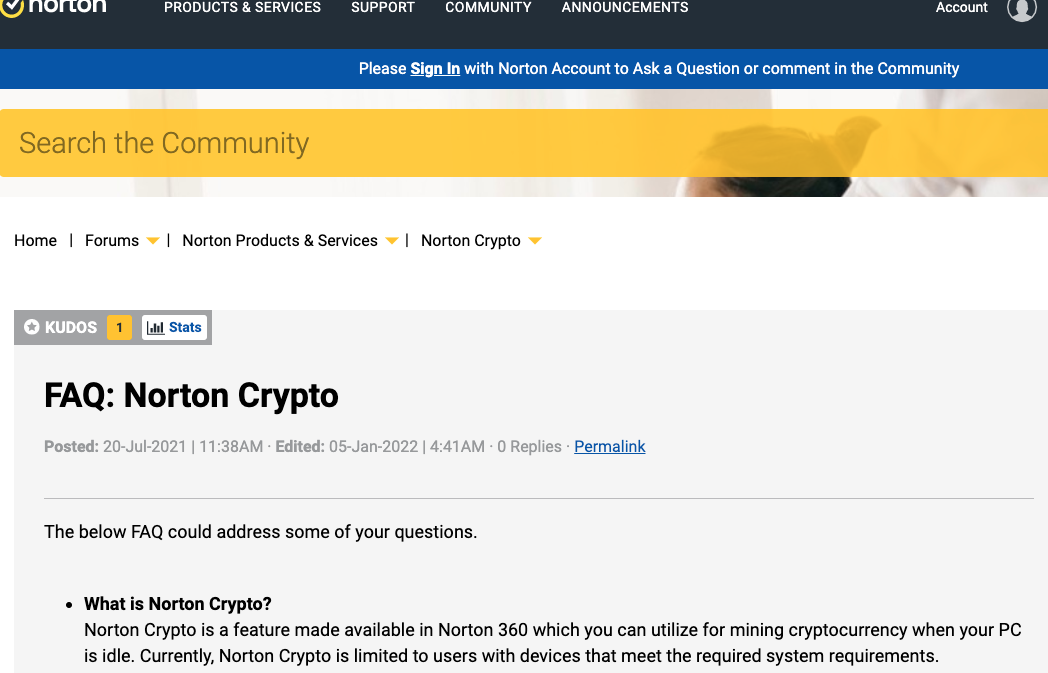
Norton 360, one of the most popular antivirus products on the market today, has installed a cryptocurrency mining program on its customers’ computers. Norton’s parent firm says the cloud-based service that activates the program and enables customers to profit from the scheme — in which the company keeps 15 percent of any currencies mined — is “opt-in,” meaning users have to agree to enable it. But many Norton users complain the mining program is difficult to remove, and reactions from longtime customers have ranged from unease and disbelief to, “Dude, where’s my crypto?”

Read more

Coronavirus Widens the Money Mule Pool

Credit to Author: BrianKrebs| Date: Tue, 17 Mar 2020 22:11:46 +0000

With many people being laid off or working from home thanks to the Coronavirus pandemic, cybercrooks are almost certain to have more than their usual share of recruitable “money mules” — people who get roped into money laundering schemes under the pretense of a work-at-home job offer. Here’s the story of one upstart mule factory that spoofs a major nonprofit and tells new employees they’ll be collecting and transmitting donations for an international “Coronavirus Relief Fund.”

Read more

Crafty Web Skimming Domain Spoofs “https”

Credit to Author: BrianKrebs| Date: Thu, 12 Mar 2020 00:28:57 +0000

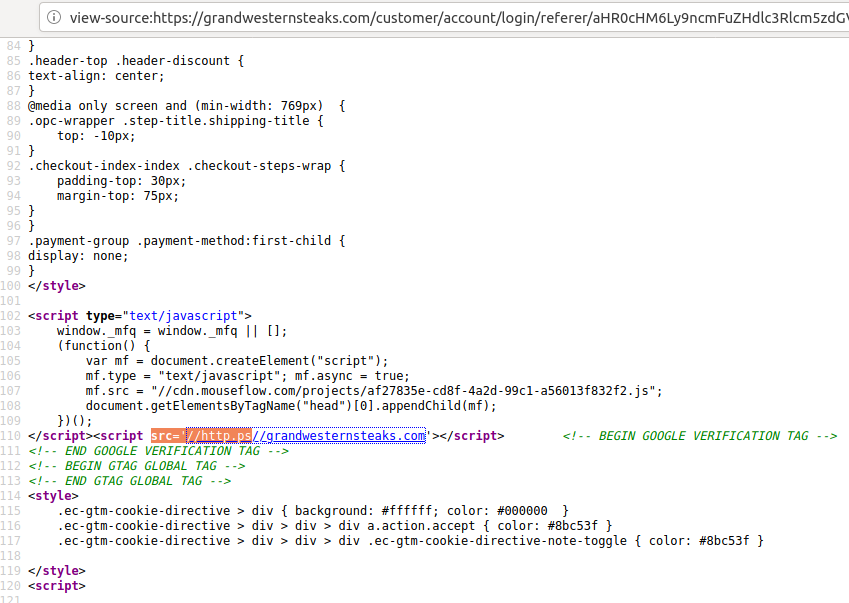
Earlier today, KrebsOnSecurity alerted the 10th largest food distributor in the United States that one of its Web sites had been hacked and retrofitted with code that steals credit card and login data. While such Web site card skimming attacks are not new, this intrusion leveraged a sneaky new domain that hides quite easily in a hacked site’s source code: “http[.]ps” (the actual malicious domain does not include the brackets, which are there to keep readers from being able to click on it).

Read more

Hackers Were Inside Citrix for Five Months

Credit to Author: BrianKrebs| Date: Wed, 19 Feb 2020 15:55:04 +0000

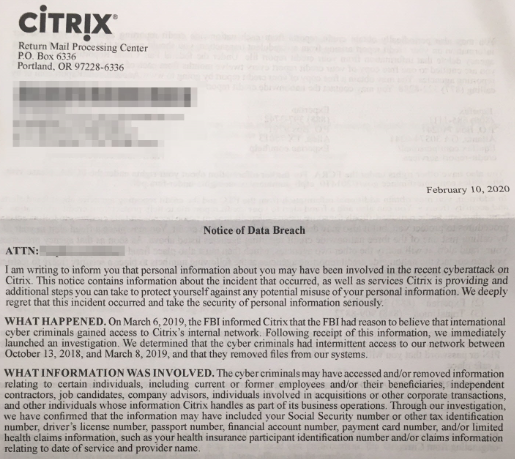
Networking software giant Citrix Systems says malicious hackers were inside its networks for five months between 2018 and 2019, making off with personal and financial data on company employees, contractors, interns, job candidates and their dependents. The disclosure comes almost a year after Citrix acknowledged that digital intruders had broken in by probing its employee accounts for weak passwords.

Read more

Encoding Stolen Credit Card Data on Barcodes

Credit to Author: BrianKrebs| Date: Tue, 18 Feb 2020 18:00:29 +0000

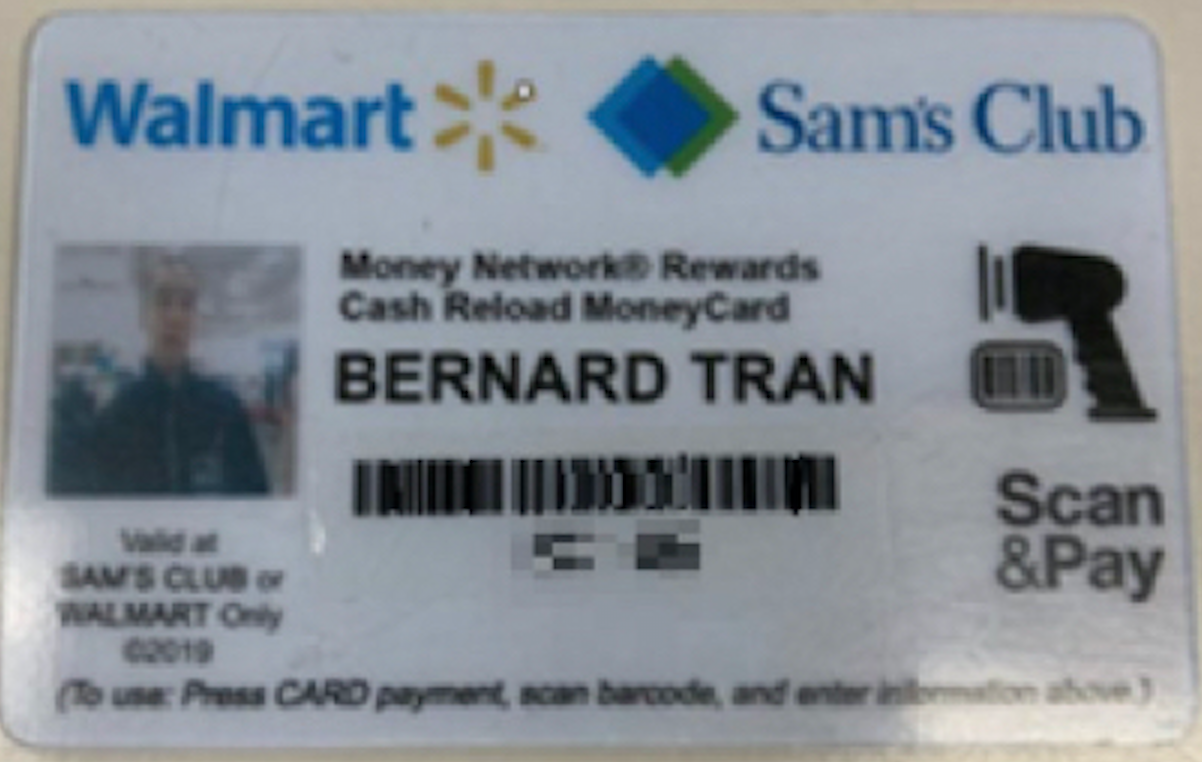
Crooks are constantly dreaming up new ways to use and conceal stolen credit card data. According to the U.S. Secret Service, the latest scheme involves stolen card information embedded in barcodes affixed to phony money network rewards cards. The scammers then pay for merchandise by instructing a cashier to scan the barcode and enter the expiration date and card security code.

Read more

Pay Up, Or We’ll Make Google Ban Your Ads

Credit to Author: BrianKrebs| Date: Mon, 17 Feb 2020 14:13:06 +0000

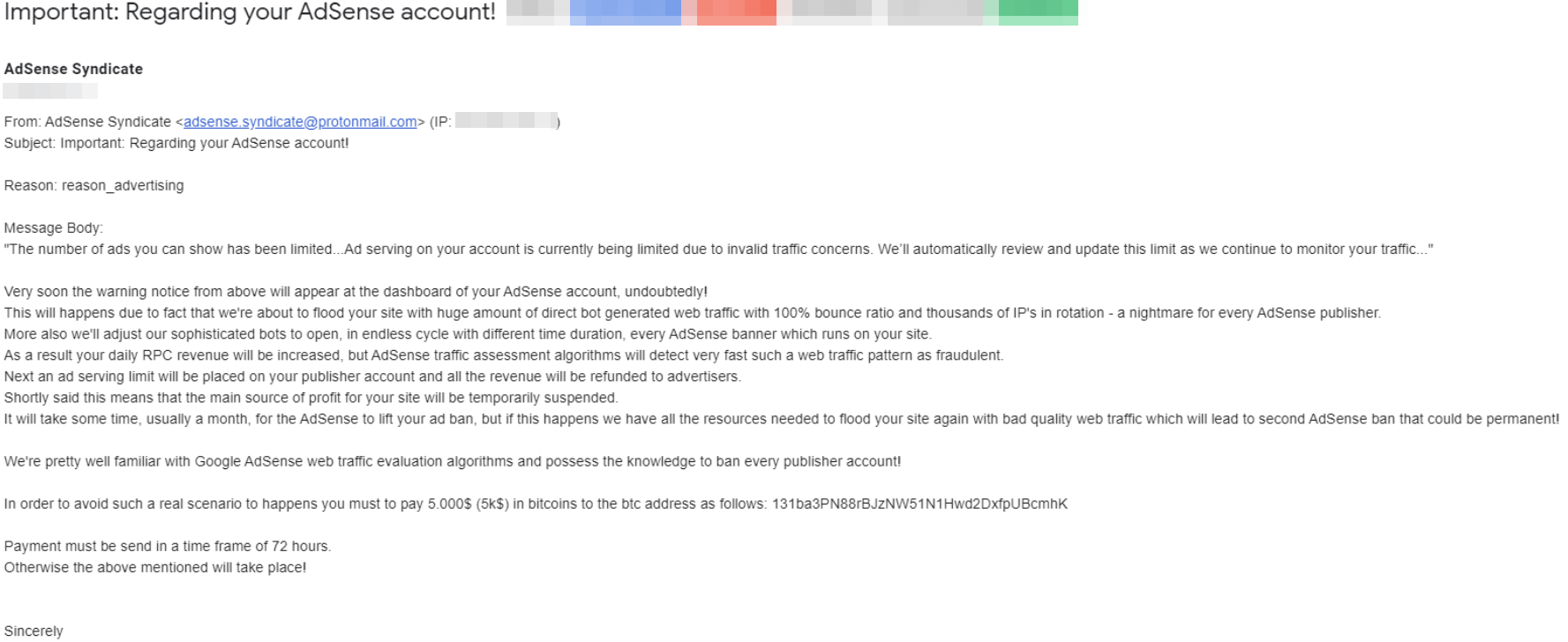
A new email-based extortion scheme apparently is making the rounds, targeting Web site owners serving banner ads through Google’s AdSense program. In this scam, the fraudsters demand bitcoin in exchange for a promise not to flood the publisher’s ads with so much bot and junk traffic that Google’s automated anti-fraud systems suspend the user’s AdSense account for suspicious traffic.

Read more

A Light at the End of Liberty Reserve’s Demise?

Credit to Author: BrianKrebs| Date: Fri, 14 Feb 2020 18:48:39 +0000

In May 2013, the U.S. Justice Department seized Liberty Reserve, alleging the virtual currency service acted as a $6 billion financial hub for the cybercrime world. Prompted by assurances that the government would one day afford Liberty Reserve users a chance to reclaim any funds seized as part of the takedown, KrebsOnSecurity filed a claim shortly thereafter to see if and when this process might take place. This week, an investigator with the U.S. Internal Revenue service finally got in touch to discuss my claim.

Read more

When Your Used Car is a Little Too ‘Mobile’

Credit to Author: BrianKrebs| Date: Thu, 06 Feb 2020 00:44:26 +0000

Many modern vehicles let owners use the Internet or a mobile device to control the car’s locks, track location and performance data, and start the engine. But who exactly owns that control is not always clear when these smart cars are sold or leased anew. Here’s the story of one former electric vehicle owner who discovered he could still gain remote, online access to his old automobile years after his lease ended.

Read more

Iowa Prosecutors Drop Charges Against Men Hired to Test Their Security

Credit to Author: BrianKrebs| Date: Fri, 31 Jan 2020 21:06:18 +0000

On Sept. 11, 2019, two security experts at a company that had been hired by the state of Iowa to test the physical and network security of its judicial system were arrested while probing the security of an Iowa county courthouse, jailed in orange jumpsuits, charged with burglary, and held on $100,000 bail. On Thursday Jan. 30, prosecutors in Iowa announced they had dropped the criminal charges. The news came while KrebsOnSecurity was conducting a video interview with the two accused (featured below).

Read more